10 Common Drone Flying Mistakes (and How to Avoid Them)

Flying a drone is exciting — but it’s easy to make mistakes that can cost you time, money, and sometimes even your drone. Whether you’re a beginner pilot or have logged dozens of flights, avoiding common drone flying mistakes is crucial for safe, enjoyable, and hassle-free flying.

In this guide, we’ll explore the 10 most common drone flying mistakes that pilots make and share actionable tips to avoid them. By the end, you’ll have the confidence and knowledge to fly smarter, safer, and get the most out of your drone investment.


Why Avoiding Common Drone Flying Mistakes Matters

A single mistake can lead to:

  • Crashing your drone into trees, buildings, or water

  • Damaging expensive parts like propellers, gimbals, and cameras

  • Violating local drone regulations, risking fines or penalties

  • Losing your drone due to flyaways

Learning from these mistakes not only saves you money but also keeps you, your drone, and others safe.


1. Skipping the Pre-Flight Checklist

One of the most common drone flying mistakes is rushing into the air without preparation.

How to Avoid It:

Create a pre-flight checklist that includes:

  • Battery check: Ensure your drone, controller, and phone are fully charged.

  • Firmware update: Keep your drone’s software up to date.

  • Propellers: Inspect for cracks or damage.

  • Compass calibration: Perform it if flying in a new location.

  • GPS lock: Wait until you have a strong GPS signal before takeoff.

Pro Tip: Use DJI’s official pre-flight checklist or a third-party app like DroneBuddy to streamline the process.


2. Ignoring No-Fly Zones

Flying in restricted areas (near airports, military zones, or government buildings) is illegal and dangerous.

How to Avoid It:

  • Check local regulations using apps like AirMap or DJI FlySafe.

  • Enable geofencing in your drone app to automatically block restricted zones.

  • Learn about India’s DGCA drone rules if you’re flying locally.

💡 Internal Link Opportunity: If you sell drone accessories, link to products like [ND Filters for DJI Drones] to help pilots shoot better footage in legal areas.


3. Flying Without Understanding Weather Conditions

Strong winds, rain, or extreme temperatures can cause loss of control or damage to your drone.

How to Avoid It:

  • Check the weather before every flight using Windy or UAV Forecast.

  • Avoid flying in winds over your drone’s max wind resistance (e.g., DJI Mini 4 Pro handles up to 10.7 m/s).

  • Never fly in rain unless you have a waterproof drone.


4. Forgetting to Set a Return-to-Home (RTH) Point

Many pilots lose their drones simply because they didn’t set a proper Return-to-Home (RTH) altitude or location.

How to Avoid It:

  • Set the RTH altitude higher than the tallest obstacle in your flight area.

  • Test the RTH feature before flying far away.

  • Always start flights from a clear, open location.


5. Flying Beyond Visual Line of Sight (BVLOS)

Losing sight of your drone increases the risk of crashes and violates many aviation regulations.

How to Avoid It:

  • Always keep your drone within visual range.

  • Use a spotter if flying far away for added safety.

  • Avoid distractions — stay focused on your drone’s position.


6. Overlooking Battery Management

Running out of battery mid-flight is a classic beginner mistake.

How to Avoid It:

  • Never let your battery drop below 20% while flying.

  • Land when you hear low-battery warnings.

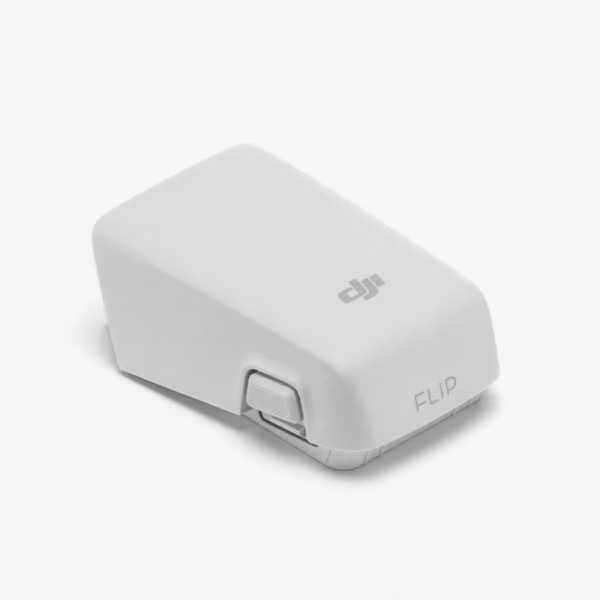
  • Carry spare batteries — check out our [Drone Batteries & Chargers Collection] to stay powered.


7. Flying Indoors Without Proper Settings

Indoor flying can be risky due to limited GPS signals and space.

How to Avoid It:

  • Switch to ATTI mode (if available) for better control.

  • Fly slowly and avoid sudden movements.

  • Remove propeller guards only if you have enough clearance.


8. Pushing the Drone Too Far or Too High

Beginners often try to see “how far it can go,” risking signal loss or flyaways.

How to Avoid It:

  • Stay within the manufacturer’s recommended range.

  • Maintain line of sight to avoid obstacles.

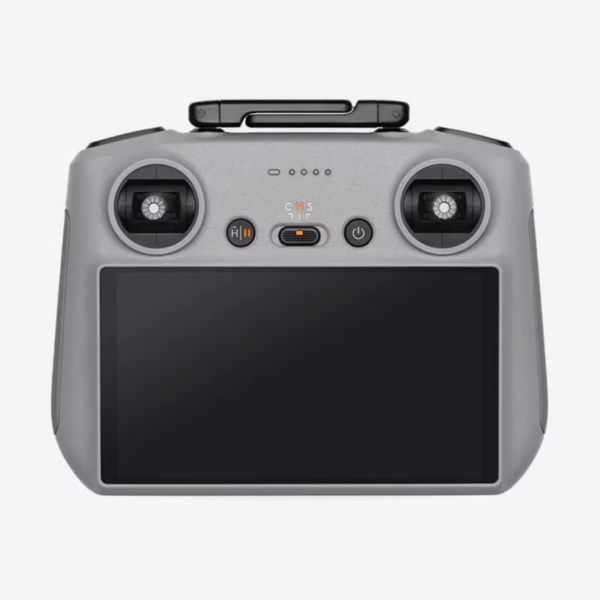
  • Consider upgrading to a better remote controller for stronger signal reliability — see our [DJI Remote Controller Collection].


9. Forgetting About Local Laws and Registration

In India and many countries, certain drones require registration and permissions before flying.

How to Avoid It:

  • Register your drone on the DGCA Digital Sky Platform (if required).

  • Follow local altitude limits (120 meters in India).

  • Avoid flying over crowds, private property, or sensitive infrastructure.


10. Neglecting Post-Flight Maintenance

Your job isn’t done after landing. Many pilots skip maintenance, leading to faster wear and tear.

How to Avoid It:

  • Clean your drone after every flight — especially the propellers and camera lens.

  • Store your batteries at 40–60% charge when not in use.

  • Keep firmware updated for better performance.


Quick Summary: Key Takeaways

MistakeQuick Fix
Skipping Pre-Flight ChecklistUse a checklist every time
Ignoring No-Fly ZonesCheck apps like AirMap & FlySafe
Flying in Bad WeatherMonitor wind, rain & temperature
No RTH SetupSet correct altitude & test RTH
Flying Beyond Visual RangeKeep drone in sight
Poor Battery ManagementLand above 20%, carry spares
Indoor Flying IssuesUse ATTI mode, fly slow
Pushing LimitsStay in range, upgrade controller
Legal OversightsFollow DGCA rules & register
No Post-Flight CareClean, inspect & update firmware

Related Posts You’ll Love

  • [How to Choose the Right ND Filter for Your Drone Camera]

  • [Best Drone Batteries & Chargers for Long Flights]

  • [Step-by-Step Guide to DGCA Drone Registration in India]


Final Thoughts & Call to Action

Avoiding these common drone flying mistakes will not only protect your investment but also give you a smoother, more enjoyable flying experience. Whether you’re capturing stunning aerial footage or just flying for fun, safe flying practices are non-negotiable.

Ready to upgrade your drone gear? Explore our full collection of [Drone Accessories, Batteries & Parts] at DJI Drone Hub and take your flying experience to the next level.