Drone Photography Tips for Stunning Aerial Shots

Introduction

Drone photography tips for stunning aerial shots are essential for anyone looking to capture breathtaking images from above. With drones becoming more accessible, both hobbyists and professionals are exploring aerial photography to create compelling visuals. Whether you’re shooting landscapes, real estate, or action sports, mastering drone photography can transform ordinary shots into extraordinary works of art.

In this guide, we’ll share expert techniques, real-world tips, and actionable strategies to help you take your drone photography to the next level.


1. Understanding Your Drone and Camera Settings

Before taking off, it’s crucial to familiarize yourself with your drone and its camera capabilities. Different drones, such as the DJI Mini 4 Pro or DJI Mavic 4 Pro, offer unique features that affect image quality and flight control.

Key Settings to Optimize

  • Resolution: Always shoot in the highest available resolution (4K or higher) to capture detailed aerial shots.

  • ISO: Keep ISO low (100–400) to reduce noise and maintain clarity.

  • Shutter Speed: Use faster shutter speeds for action shots and slower speeds for landscapes with motion blur effects.

  • White Balance: Set manually to maintain color accuracy in different lighting conditions.

  • RAW Format: Capture images in RAW for greater flexibility during post-processing.

Pro Tip: Check out the DJI Mini 4 Pro for advanced camera settings and portability.


2. Planning Your Shots

Effective drone photography starts on the ground. Planning your shots helps you maximize creativity and ensures safety.

Pre-Flight Checklist

  1. Location Scouting: Use maps or apps like Google Earth to identify scenic spots.

  2. Weather Conditions: Clear skies or golden hour lighting creates dramatic visuals. Avoid windy or rainy days.

  3. Flight Restrictions: Always check local drone regulations and avoid no-fly zones.

  4. Battery & Storage: Fully charge batteries and carry extra memory cards for uninterrupted shooting.


3. Composition Techniques for Aerial Photography

Drone photography tips for stunning aerial shots heavily rely on strong composition. Aerial perspectives can reveal patterns, symmetry, and details not visible from the ground.

Essential Composition Rules

  • Rule of Thirds: Position key subjects along intersecting lines to create balance.

  • Leading Lines: Roads, rivers, and pathways guide the viewer’s eye through the frame.

  • Framing: Natural elements like trees or cliffs can frame your main subject.

  • Symmetry and Patterns: Capture repetitive elements for visually striking images.

Quick Tip:

Experiment with different angles and altitudes. Sometimes a slight change in height or angle transforms a mundane shot into a masterpiece.


4. Mastering Light for Stunning Aerial Shots

Lighting is critical in drone photography. The same scene can look completely different depending on the time of day and weather conditions.

Best Lighting Conditions

Time of DayLighting QualityTips
Golden HourWarm, soft lightIdeal for landscapes and cityscapes
Blue HourCool, soft tonesPerfect for moody or cinematic shots
MiddayHarsh, high-contrast lightUse for shadows and patterns
Cloudy/OvercastDiffused, soft lightingReduces harsh shadows, maintains details

Remember: Adjust exposure and filters on your drone camera to complement the lighting. Using ND filters can prevent overexposure on bright days.


5. Using Advanced Drone Photography Techniques

For more professional results, incorporate advanced techniques that elevate your aerial shots.

  • Panoramas: Stitch multiple images for a wide, immersive view.

  • HDR Photography: Combine multiple exposures for balanced highlights and shadows.

  • Tracking Shots: Follow moving subjects like cars or boats to add motion.

  • Orbit Shots: Circle a subject for dynamic perspectives.

  • Time-Lapse: Capture changes in light, weather, or movement over time.

For precision and stability during advanced maneuvers, the DJI Mavic 4 Pro Fly More Combo is highly recommended. Check it out here.


6. Post-Processing Tips

Post-processing is where your aerial shots really shine. Editing allows you to correct colors, enhance details, and create a cohesive aesthetic.

Recommended Editing Steps

  1. RAW Editing: Adjust exposure, white balance, and contrast in Adobe Lightroom or Capture One.

  2. Noise Reduction: Clean up grainy areas, especially in low-light shots.

  3. Color Grading: Apply subtle color enhancements to make images pop.

  4. Cropping and Straightening: Improve composition without losing important details.

  5. Sharpening: Enhance edges to maintain clarity in aerial shots.

Tip: Maintain a natural look. Over-editing can make drone shots appear unrealistic.


7. Safety and Legal Considerations

Safety is paramount in drone photography. Not only does it protect your equipment, but it also keeps you compliant with local regulations.

Safety Tips

  • Fly below 400 feet and away from crowds.

  • Avoid restricted areas like airports and government buildings.

  • Check drone firmware and sensors before each flight.

  • Have a spotter for complex shoots to ensure situational awareness.

Following these guidelines ensures you capture stunning aerial shots without risk.


8. Recommended Equipment for Stunning Aerial Shots

Investing in the right gear can drastically improve your drone photography.

Must-Have Equipment

  • High-Quality Drone: DJI Mini 4 Pro, DJI Mavic 4 Pro, or DJI Avata 2 for superior image quality.

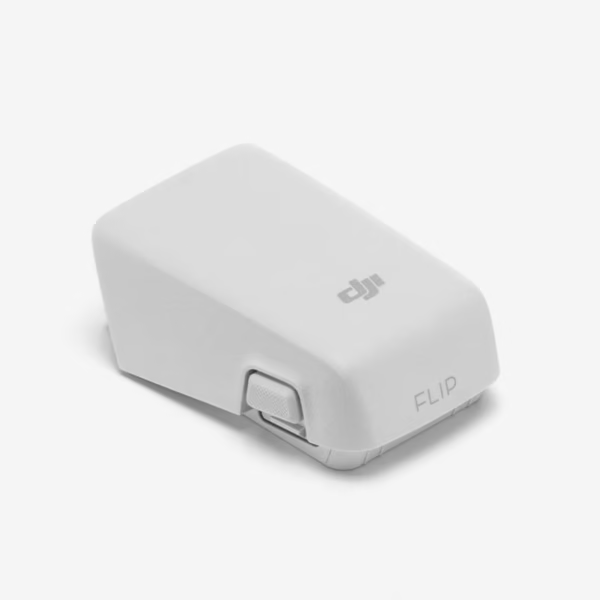
  • Extra Batteries: Extends flight time for uninterrupted shoots.

  • ND Filters: Control light for cinematic effects.

  • Portable Storage: Quick transfer and backup of large RAW files.

  • Gimbal Protector: Protects camera during transport and crashes.

Explore our full range of drone accessories to enhance your aerial photography experience.


Key Takeaways / Quick Summary

  • Start by understanding your drone and camera settings to maximize image quality.

  • Plan your shots carefully, considering location, weather, and regulations.

  • Apply composition techniques such as the rule of thirds, leading lines, and symmetry.

  • Use natural light creatively, focusing on golden and blue hours for dramatic effects.

  • Incorporate advanced shooting techniques like panoramas, HDR, and orbit shots.

  • Edit your shots carefully to maintain clarity, color balance, and realism.

  • Always prioritize safety and comply with drone regulations.

  • Invest in quality drones and accessories to enhance your aerial photography skills.


Related Posts for Further Reading


Conclusion and Call-to-Action

Drone photography tips for stunning aerial shots aren’t just about having the best drone—they’re about combining creativity, technical skills, and planning. By applying these tips, you can transform your aerial photography from ordinary to extraordinary.

Explore our collection of DJI drones and accessories to start capturing jaw-dropping aerial images today! Elevate your photography and bring your creative vision to life.